

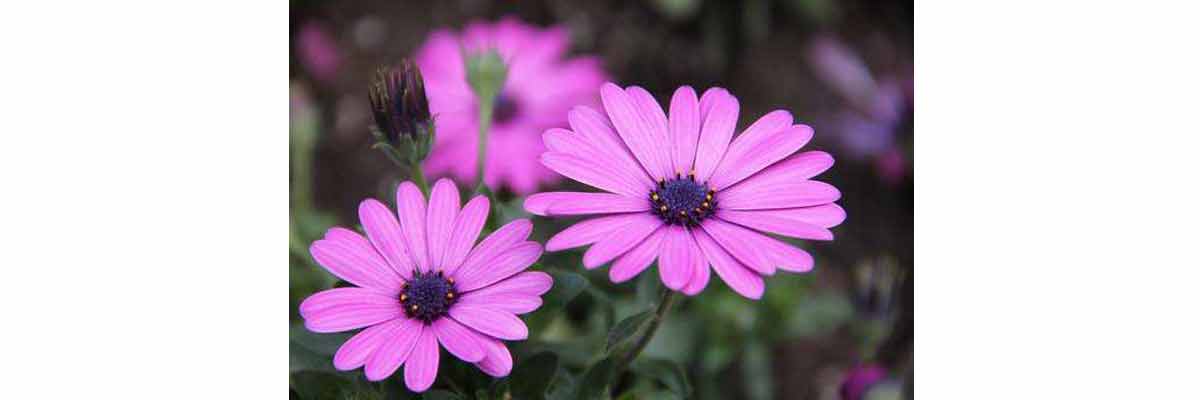
Echinacea extract, whose primary component is cichoric acid, is one of the most widely used medicinal plants. It is commonly employed for colds, toothaches, snake bites, and other external injuries. In the United States, it has long been used as an alternative medicine to boost the immune system and purify the blood, particularly during seasonal changes and cold-and-flu seasons.
History
Echinacea was the most extensively used medicinal plant among the Plains Indian tribes, generally applied for colds, toothaches, snake bites, and other injuries. Native Americans have used it for generations as an alternative remedy to enhance the immune system and cleanse the blood, especially during seasonal transitions and peak cold and cough periods. In 1887, it was introduced into the American integrative healthcare system and promoted for a variety of conditions from colds to syphilis. Modern research on this herb began in Germany in the 1930s.
Functions
The main active components of Echinacea—polyphenols, caffeic acid derivatives, and polysaccharides—have the following functions:
1. Immunostimulatory Effects Inulin: Acts by increasing the number of granulocytes and white blood cells, enhancing the chemotaxis of monocytes and neutrophils to produce lytic effects. Polysaccharides: Bind to carbohydrate receptors on the surfaces of T lymphocytes and macrophages, stimulating immunity. They boost macrophage phagocytosis and promote macrophages to increase the production of tumor necrosis factor, interferon, and interleukins, which can destroy tumor cells. Alkylamides and caffeic acid derivatives: Lipophilic alkylamides enhance the phagocytic capacity of macrophages. Echinacea: Increases the activity of non-specific T cells, induces interferon production, promotes lymphocyte secretion, reduces T-helper cells, and lowers the T-helper/suppressor ratio.
2. Tissue Renewal and Anti-infective Effects Inhibits hyaluronidase, stimulates fibroblast growth and glucosamine synthesis, exerts corticoid-like effects, and promotes adrenocorticotropic hormone secretion. Polysaccharides have anti-infective properties.
3. Antibacterial Effects Echinacoside and caffeic acid derivatives exhibit weak antibacterial activity.
4. Antiviral Effects Inhibits influenza, herpes, and vesicular viruses. The antiviral activity is attributed to the inhibition of hyaluronidase, which blocks viral receptors on cell surfaces.
5. Side Effects Overdose may cause low-grade fever; sensitive individuals may develop dermatitis.
Applications: Echinacea and its extracts are used for common infections or wounds, colds or flu, candidiasis, candidal stomatitis, staphylococcal infections, urinary tract infections, pelvic inflammatory disease (PID), tonsillitis, upper respiratory tract infections, wound inflammation, toothache or oral infections, insect, animal or snake bites, blood poisoning, boils, abscesses, eczema, etc. They help relieve sore throat, dryness, burning, and hoarseness caused by acute or chronic pharyngitis; enhance the immune system to prevent flu; shorten the duration of common colds; and alleviate sore throat, mild to moderate infections, colds, coughs, flu, and other upper respiratory discomfort. They play important roles in promoting protein synthesis and enzymes related to immune function, nourishing bone marrow, and boosting immunity. Effective in improving recurrent oral ulcers, respiratory and digestive tract infections, and related symptoms.
Chemical Composition
The product mainly consists of cichoric acid, with the following chemical structure:
Cichoric acid C₂₂H₁₈O₁₂ Chinese Name: 菊苣酸 (Jùjù suān) Chinese Alias: 2R,3R)-2,3-双[[(E)-3-(3,4-二羟基苯基)丙-2-烯酰]氧]丁二酸 English Name: Cichoric acid English Alias: (2R,3R)-2,3-bis[[(E)-3-(3,4-dihydroxyphenyl)prop-2-enoyl]oxy]butanedioic acid CAS No.: 70831-56-0 Molecular Formula: C₂₂H₁₈O₁₂ Molecular Weight: 474.37
Pharmacological Effects
Lowers blood sugar, lipid-lowering and liver-protective, antibacterial, anti-allergic, reduces uric acid, etc. Cichoric acid inhibits hyaluronidase and HIV-1 integrase, and exhibits phagocytosis-promoting and antiviral activity both in vivo and in vitro.
The polysaccharides and caffeic acid-derived polyphenols in this product enhance immunity by increasing granulocytes and white blood cells, activating T-cell activity, and boosting macrophage phagocytosis. By inhibiting hyaluronidase and promoting adrenocorticotropic hormone secretion, they suppress influenza and herpes, and possess antibacterial and anti-infective properties. They can be used for influenza, wound infections, and various other conditions.

 中文
中文